


October 28, 2026 · Editorial Team
Core Peptides Alternatives for Lab Research Compared
Core peptides alternative options for lab research, compared on testing, certificates of analysis, batch consistency and shipping. Find the right supplier.
Last Updated: October 28, 2026
Quick Summary
A core peptides alternative should be judged on verifiable documentation rather than brand claims. Look for batch-specific Certificates of Analysis, HPLC purity data, mass spectrometry identity confirmation, and clear shipping and replacement terms before ordering.
- Ask for a batch-specific COA, not a generic sheet, before comparing suppliers.
- Confirm purity with the HPLC chromatogram and identity with mass spectrometry.
- Keep a log of lot numbers and COA values to track batch-to-batch consistency.
- Quality Peptide USA lists batch HPLC testing, cGMP-compliant facilities, and same-day shipping for orders before 2PM EST.
- Request a quote from the website for current pricing rather than relying on published figures.
Table of Contents
- Why Researchers Look Beyond Core Peptides
- What to Compare When Choosing a Research Peptide Supplier
- How Research Peptide Purity Testing Should Be Verified
- Reading a Research Peptide Certificate of Analysis
- Checking Peptide Batch Consistency Across Orders
- Comparing Alternatives: Advantages and Limits of Each Option
- Choosing a Supplier for Your Next Protocol
- Frequently Asked Questions
Researchers who buy peptides for laboratory work face a hard question once a supplier has passed the first screen: how do you tell whether one vendor is actually better than the next? Quality Peptide USA publishes HPLC-verified compounds and third-party Certificates of Analysis, but other suppliers make similar claims. Comparing a core peptides alternative takes a method, not a brand name. This guide walks through criteria for evaluating suppliers and checking purity and batch consistency.
Why Researchers Look Beyond Core Peptides
Many principal investigators start with a familiar vendor and later look for a core peptides alternative for practical reasons. A lab that once needed a handful of compounds may now need dozens across several projects.
The reason to look elsewhere is rarely that one supplier is bad. More often, a lab's requirements have changed. A group running in vivo studies may care most about endotoxin data. Knowing which factor drives your decision keeps the comparison grounded.
What to Compare When Choosing a Research Peptide Supplier
A research peptide supplier comparison should start with documentation, not marketing. Look at what the vendor says about each product and whether the claims can be checked.
Useful criteria include:
- Certificate of Analysis (COA) availability: Is there a batch-specific COA, or only a generic sheet?
- Testing methods named: HPLC for purity, mass spectrometry for identity, and LAL assays for endotoxin are the usual tests.
- Shipping and handling: Cutoff times, transit days, and damage replacement policies affect how a lab plans its work.
- Pricing transparency: Confirm pricing and any volume terms before ordering.
- Support responsiveness: A supplier that answers technical questions quickly saves time when a batch raises a concern.
How Research Peptide Purity Testing Should Be Verified
Purity claims are only as good as the method behind them. A label that says 99% purity means little without the chromatogram and the test conditions.
Start by asking for the batch-specific HPLC trace. Check that the peak of interest dominates the chromatogram and that the reported purity matches the area percentage. Then confirm identity with mass spectrometry, since purity alone does not prove the compound is correct. Peptide synthesis can produce closely related sequences that look clean on a simple HPLC run.
If your lab has the capability, run an independent check on a sample from each new lot.
Reading a Research Peptide Certificate of Analysis
A COA should identify the batch, the compound, the test methods, and the results with units. Read it the way you would read any analytical report: look for what is measured, how, and against what limit.
Check these fields closely:
- Batch or lot number: It should match the vial label and shipping paperwork.
- Purity and method: The result should name the technique, typically HPLC.
- Identity confirmation: Mass spectrometry or a comparable method should be listed.
- Endotoxin and sterility data: Relevant for in vivo or cell-based work.
- Date of testing: Recent testing is more useful than a sheet from an old run.
Be cautious with a COA that gives a single purity number and nothing else. A complete report shows the method and the supporting data.
Checking Peptide Batch Consistency Across Orders
Batch-to-batch variation is one of the most common problems labs face when they switch or reorder. Two lots from the same vendor can differ in purity, salt content, or impurity profile, which can change results in sensitive assays.
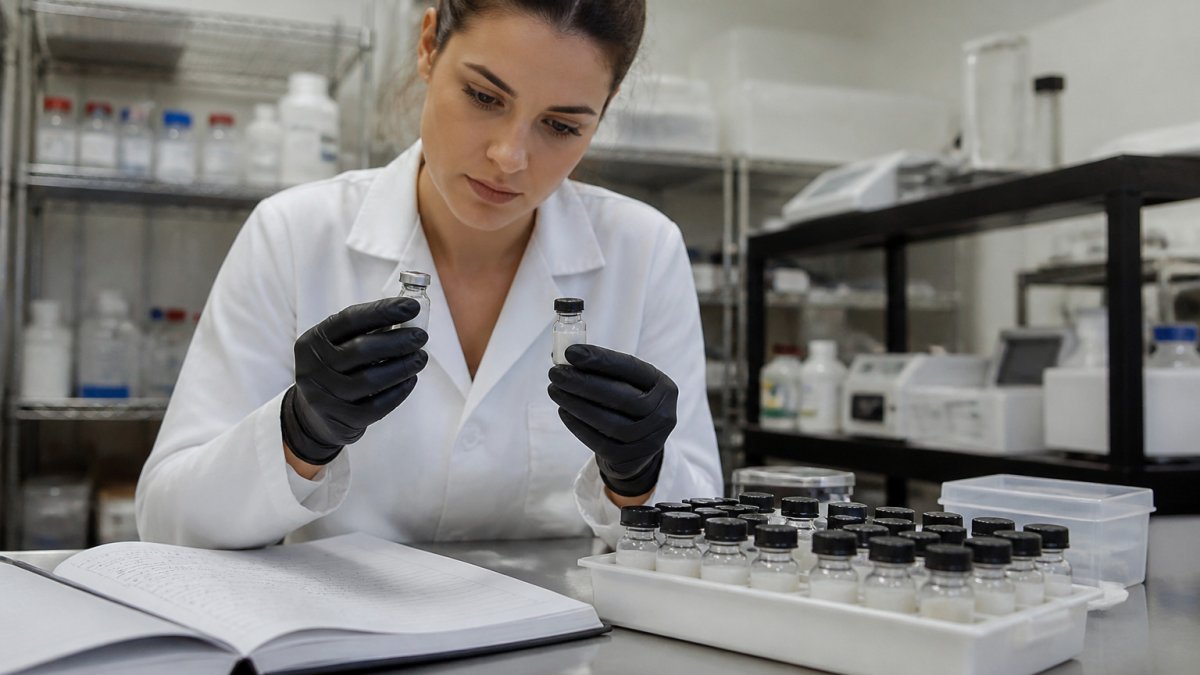
Keep a simple log. Record the lot number, the COA values, the date received, and any observations about solubility or appearance. Over several orders, this log shows whether a supplier stays consistent. If a new lot shows a different impurity pattern, contact the vendor before using it in a critical experiment.
Comparing Alternatives: Advantages and Limits of Each Option
Several suppliers present themselves as alternatives to Core Peptides. The following summarizes what the available comparison material says about each. Where the material did not verify a detail, it is noted as unknown rather than estimated.
| Supplier | Stated Strengths | Stated Limits | Best Suited For |
|---|---|---|---|
| Excalibur Peptides | Third-party COA for each product; same-day shipping; free shipping over | Product prices not shown in available sources | Labs prioritizing product-level COAs and clear shipping terms |
| DelixLabs | Compares testing, COA access, shipping, and price | Individual testing methods not detailed | Researchers wanting to compare vendor documentation side by side |
| Ride the Tide Peptides | Addresses verification and documentation directly | Verification methods not specified | Labs comparing pricing and verification practices |
| Alderabio Labs | Highlights transparency, domestic supply chain, and catalog depth | Testing details not provided | Researchers weighing supply-chain location and catalog breadth |
| Quality Peptide USA | U.S.-based synthesis, packaging, and supply chain; batch HPLC testing; cGMP-compliant facilities; same-day shipping for orders before 2PM EST | Pricing not listed here; check the website for current quotes | Labs that require a domestic supply chain and batch-specific documentation |
Choosing a Supplier for Your Next Protocol
Before placing an order, write down the three requirements your protocol cannot compromise on. For most labs, these are purity documentation, identity confirmation, and delivery timing.
Then request a sample COA for the exact compound you need and review it against the checklist above. Ask the supplier how they handle batch variation and damaged or mislabeled shipments. Quality Peptide USA offers replacement for products damaged in transit and staff researchers who can answer technical questions by phone, text, or email. For current pricing on specific compounds and volumes, request a quote from the website rather than relying on published figures.
Frequently Asked Questions
What should researchers compare when evaluating peptide suppliers?
Compare the supplier's testing documentation, including the testing method used and whether results are independently verified. Also weigh shipping policies and catalog depth. Ask for current pricing directly from each supplier.
How can researchers verify the purity of a research peptide?
Request the certificate of analysis and review the information it provides. If your results and the supplier's numbers differ, raise the discrepancy with the supplier.
What documentation should accompany a research peptide?
Review the documentation provided with a research peptide. Ask the supplier what information is included in its certificate of analysis and on its labels. Keep the documents you receive with your experiment records.
Why do independent HPLC results matter when comparing peptide suppliers?
A supplier's purity claim should be considered alongside the method behind it. If your lab re-tests a batch and the numbers do not match the certificate, review the discrepancy.
How can researchers assess consistency between peptide batches?
Review the certificates of analysis available for the compound. Keep a log of lot numbers used in each experiment. If you have questions about a lot, contact the supplier and request the available testing details.
